Smart Strategies for Effective Evaporation Control Methods
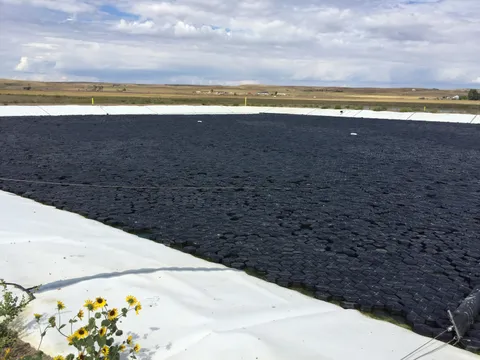
Managing water in open basins is a daily struggle against the sun and wind. As temperatures rise, the amount of water lost to the air increases, creating a constant pressure on our water supplies. Implementing evaporation control methods is the only way to effectively counter this loss, allowing water managers to retain their inventory and meet the growing demands of agriculture, industry, and local communities during difficult, dry seasons.
Implementing Modern Evaporation Control Methods
To stop the loss, we need to focus on the surface. Whether through physical barriers or specialized floating materials, we must create a layer that prevents water from turning into vapor. These methods are rooted in sound physics, providing a reliable way to maintain reservoir levels. Understanding these principles is essential for anyone responsible for water storage, as it allows for the implementation of tailored solutions that actually deliver results in the field.
Testing Evaporation Control Methods
The effectiveness of any conservation strategy should be verified through testing and performance tracking. By gathering data on local evaporation rates, managers can compare the before-and-after effects of their chosen methods. This evidence-based approach is crucial for securing support for further conservation projects. It provides the clarity needed to justify investments and ensures that the resources being saved are truly substantial, justifying the cost and effort of implementation.
Scaling Up Evaporation Control Methods
As organizations look for ways to manage larger volumes of water, the scale of the solution becomes important. Effective strategies must be easily deployable on large surfaces without creating significant operational burdens. By focusing on scalable technology, we can address water loss on a macro level, providing a significant boost to regional water security. This broad-scale approach is necessary to tackle the systemic challenges posed by current environmental conditions.
The Versatility of Modular Floating Covers
The use of modular floating covers provides a flexible answer to the problem of open water loss. These covers can be installed on almost any size or shape of basin, providing a custom-fit solution that is both effective and easy to manage. Because they are comprised of independent pieces, they can move with the water, providing consistent coverage even as levels fluctuate due to seasonal demand or drought.
Why Choose Modular Floating Covers
One of the standout benefits of these covers is their ability to perform under diverse conditions. They are built to be wind-resistant and UV-stable, ensuring that they remain effective for many years. Additionally, they provide a layer of protection that is both aesthetically pleasing and functional, making them an excellent choice for reservoirs located near urban areas or those used for public recreational purposes, where both water quality and appearance are paramount.
Performance of Modular Floating Covers
These systems do more than just block evaporation; they provide a comprehensive surface management solution. By preventing light from reaching the water, they effectively stop algae blooms, which can otherwise lead to poor water quality and increased treatment costs. This multifaceted benefit makes them a high-value installation for any organization that relies on the quality and quantity of their stored water to conduct their daily operations.
Conclusion
Effective water stewardship requires proactive measures to protect our supplies. By integrating proven technologies into our storage basins, we can significantly reduce the volume of water lost to evaporation. This commitment to efficiency ensures that we remain resilient in the face of future challenges, securing the water resources needed for our continued growth, industrial productivity, and the ongoing health of the environment around us.
Investing in these technologies is a clear step toward a more sustainable future. By minimizing losses today, we are effectively increasing our available water supply without the need for new, expensive infrastructure. This strategy not only makes economic sense but also demonstrates a genuine commitment to responsible resource management, ensuring that we continue to thrive even in the midst of a changing and increasingly unpredictable climate.